Parasites, Metaflammation, and Brain Fog: The Hidden Axis
Emerging science reveals how intestinal parasites and systemic metaflammation interact with the gut-brain axis, influencing metabolic health, anxiety, and neuroinflammation.

Evidence context
This article is an educational research review. Associations do not prove causation, and medical decisions should be made with qualified healthcare professionals using the underlying cited evidence.
Topic overview
Cancer and parasites research overviewParasites, Metaflammation, and Brain Fog: Exploring the Hidden Gut-Brain-Metabolism Connection
For decades, conventional medicine compartmentalized human physiology into distinct silos. Metabolic issues like type 2 diabetes belonged to endocrinologists, depression and cognitive fog were directed to psychiatry, and parasitic infections were viewed as isolated gastrointestinal emergencies confined mostly to tropical climates.
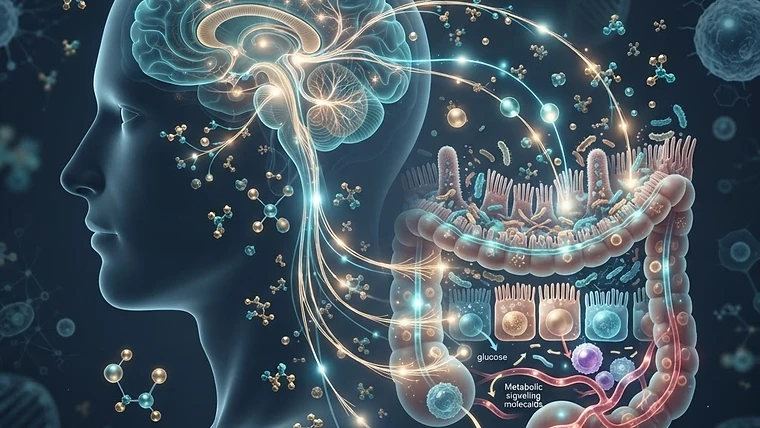
Yet cutting-edge research in immunology and neurobiology is rapidly dismantling these traditional walls. Scientists are now mapping out an intricate, bidirectional highway linking our intestinal occupants, our metabolic machinery, and our central nervous system.
At the center of this emerging dialogue sits a curious phenomenon: how subtle parasitic challenges, persistent immune dysregulation, and gut microbiome shifts may influence everyday metabolic health, systemic insulin resistance, and chronic neuroinflammation. Understanding these interconnected systems requires a closer look at the biology of metaflammation and the microbiota-gut-brain axis.
The Concept of 'Metaflammation' and Metabolic Disruption
Historically, inflammation was understood primarily as an acute response: a sprained ankle swells, turns red, and heals. However, researchers now distinguish this protective response from "metaflammation"—metabolically triggered, low-grade, chronic systemic inflammation orchestrating gradual damage beneath clinical detection.
Metaflammation involves persistent, low-level signaling from pro-inflammatory cytokines such as tumor necrosis factor-alpha (TNF-α), interleukin-6 (IL-6), and interleukin-1 beta (IL-1β). When these cytokines remain elevated, they interfere with cellular insulin signaling pathways. Specifically, inflammatory mediators inhibit insulin receptor substrate (IRS) activation, impairing glucose uptake into skeletal muscle and adipose tissue. Over time, this state fuels insulin resistance, metabolic syndrome, and the eventual progression toward type 2 diabetes.
Recent scientific inquiries into intestinal parasites and diabetes: a systematic review demonstrate a fascinating, complex relationship. Epidemiological analyses reveal that individuals with diabetes frequently exhibit different rates of opportunistic parasitic infections—including common protozoans like Cryptosporidium, Giardia duodenalis, and Entamoeba histolytica—compared to healthy controls. When mucosal defenses are compromised, these microorganisms can challenge gut integrity, alter host metabolic enzymes, and sustain an ongoing cascade of low-grade systemic inflammation.
The Dual Nature of Immune Modulation: Helminths vs. Protozoa
When exploring parasitology and metabolism, researchers emphasize that not all parasitic organisms act the same way. The host's physiological outcome depends on whether the organism drives an aggressive pro-inflammatory response or triggers immune suppression.
The Pro-Inflammatory Stress of Protozoa
Microscopic single-celled protozoa frequently damage mucosal enterocytes, compromise the brush border, and incite potent Th1 and Th17 immune responses. These pathways release large amounts of interferon-gamma (IFN-γ) and TNF-α. In susceptible individuals, this unremitting mucosal alarm state can spread beyond the digestive tract, perpetuating systemic metabolic stress and worsening cellular insulin resistance.
The Helminth Paradox
Conversely, large multicellular parasites such as intestinal helminths have co-evolved with mammalian immune systems for millennia. In order to survive without destroying their host, many helminth species secrete immunomodulatory molecules that skew host immunity toward a Type 2 (Th2) and regulatory T cell (Treg) profile, promoting anti-inflammatory cytokines like interleukin-10 (IL-10) and TGF-beta.
As explored in recent publications on the regulation of host metabolic health by parasitic helminths, experimental models suggest that certain helminth molecules might actually protect against diet-induced obesity and metaflammation by re-polarizing adipose tissue macrophages from a destructive M1 phenotype to a reparative, insulin-sensitizing M2 phenotype.
While helminth infections carry real biological costs—such as anemia, nutrient malabsorption, and tissue damage—their sophisticated mechanisms for dampening immune activity highlight an important evolutionary reality: the immune system and our metabolic state are intimately entwined with our internal ecology.
The Microbiota-Gut-Brain Axis: From Gut Infection to Brain Fog
Many people experiencing metabolic dysfunction or chronic low-grade gut infections also report cognitive and affective symptoms: persistent brain fog, memory lapses, unprovoked anxiety, and low mood. Emerging neuroscience suggests this is not merely psychological distress, but rather a direct neurochemical outcome mediated by the microbiota-gut-brain axis.
Comprehensive reviews on parasite-induced immune activation to neuroinflammation show that pathogens and parasites do not need to physically invade the brain to disrupt mental function. Instead, disruption flows through three primary routes:
[ Intestinal Barrier Disruption & Microbial Dysbiosis ]
                     │
                     ▼
[ Systemic Cytokine Release (TNF-α, IL-6, IFN-γ) ]
                     │
      ┌──────────────┴──────────────┐
      ▼                             ▼
[ Vagus Nerve Activation ]    [ Blood-Brain Barrier Leakage ]
      │                             │
      └──────────────┬──────────────┘
                     ▼
[ Microglial & Astrocyte Priming (Neuroinflammation) ]
                     │
                     ▼
[ Altered Neurotransmitters & Cognitive/Mood Shifts ]
1. Breakdown of the Gut Barrier
Intestinal parasites often degrade the protective mucus layer and compromise tight junction proteins (such as claudin and occludin). This increased intestinal permeability allows bacterial endotoxins, such as lipopolysaccharides (LPS), to escape into the portal vein and systemic circulation.
2. Vagal and Humoral Transmission
Systemic cytokines and endotoxins interact directly with sensory afferent fibers of the vagus nerve, sending immediate inflammatory danger signals to brainstem nuclei. Simultaneously, circulating cytokines can bind to receptors along the blood-brain barrier (BBB), activating brain capillary endothelial cells to produce secondary inflammatory messengers.
3. Microglial Priming and Neurotransmitter Shunts
Once these inflammatory signals breach or signal across the BBB, they awaken the brain's resident immune cells: microglia and astrocytes. Primed microglia release reactive oxygen species and neuroinflammatory cytokines that alter synaptic plasticity.
Furthermore, chronic inflammation activates the enzyme indoleamine 2,3-dioxygenase (IDO). This enzyme shunts dietary tryptophan away from serotonin and melatonin synthesis and redirects it toward the kynurenine pathway. This cascade generates neurotoxic byproducts like quinolinic acid, which overstimulates NMDA receptors, contributing directly to feelings of cognitive fatigue, anxiety, and depressive symptoms.
Connecting the Dots: An Integrated Biological Network
When we piece these mechanisms together, a coherent clinical picture begins to form. An unaddressed intestinal stressor—whether a subtle protozoan challenge, altered commensal flora, or persistent mucosal inflammation—can trigger a self-perpetuating loop:
- Mucosal Barrier Disruption: Increased intestinal permeability triggers local and systemic release of pro-inflammatory cytokines.
- Metabolic Inefficiency: Circulating inflammatory mediators impair insulin receptor activity, driving metaflammation, fluctuating blood glucose levels, and energy crashes.
- Central Neuroinflammation: Cytokines travel via humoral and neural channels to activate microglia, disrupt neurotransmitter production, and diminish cognitive clarity.
┌────────────────────────────────────────────────────────┐
│            The Metaflammatory Feedback Loop            │
│                                                        │
│  Intestinal Challenge (Parasite / Dysbiosis)           │
│         │                                              │
│         ▼                                              │
│  Mucosal Breakdown & Cytokine Influx                   │
│         │                                              │
│         ├──────────────────────────────┐               │
│         ▼                              ▼               │
│  Insulin Resistance (Metaflammation)  Neuroinflammation│
│         │                              │               │
│         └──────────────┬───────────────┘               │
│                        ▼                               │
│         Systemic Fatigue & Cognitive Symptoms          │
└────────────────────────────────────────────────────────┘
Rather than viewing chronic fatigue, mood instability, metabolic shifts, and digestive complaints as completely unrelated issues, modern immunometabolic science suggests they may represent shared branches of an underlying inflammatory trunk.
Broadening the Clinical Lens
Recognizing the role of hidden stressors and immune dysregulation does not replace conventional medicine; instead, it enriches our perspective. Standard medical approaches remain essential for diagnosing endocrine disorders and treating acute infectious diseases. However, integrating the science of gut ecology, immune homeostasis, and metabolic health offers a deeper, more holistic understanding of chronic, poorly explained symptoms.
For readers interested in a more comprehensive scientific exploration of how hidden infectious organisms, latent inflammation, and organ systems interact across the lifespan, The Parasite-Disease Connection by James Young, RN, serves as an illuminating, deeply researched resource.
As research continues to untangle the ties between parasitology, endocrinology, and neuroscience, one lesson stands clear: our health is an integrated biological web. Supporting metabolic vigor and mental clarity requires caring for the delicate immune and microbial balance within the human gut.
Frequently Asked Questions
Can intestinal parasites cause type 2 diabetes?
Scientific literature does not suggest that parasites directly cause type 2 diabetes. Instead, research indicates that certain chronic infections, especially pathogenic protozoa, can promote sustained systemic inflammation and gut permeability. This state, known as metaflammation, can impair cellular insulin signaling and worsen existing insulin resistance in vulnerable individuals.
How do gut infections cause anxiety and brain fog?
Gut infections can alter the gut microbiome and weaken the mucosal barrier. This allows inflammatory molecules to enter the circulation and signal the brain through the vagus nerve and blood-brain barrier. In response, brain immune cells (microglia) become activated, shifting neurotransmitter production away from calming serotonin toward excitatory or neurotoxic metabolites, which can manifest as brain fog and anxiety.
Are all parasitic organisms harmful to the human body?
Not necessarily in the same way. While single-celled protozoa often drive damaging pro-inflammatory cascades, certain multicellular helminths have evolved mechanisms that suppress excessive immune reactions. Experimental studies in immunometabolism show that some helminth-derived molecules can induce anti-inflammatory cytokines (like IL-10) and promote metabolic balance, though live infections still carry other clinical risks.
Should I take antiparasitic treatments to fix my metabolic or mental health issues?
No. Self-diagnosing or taking unprescribed antimicrobial or antiparasitic therapies can disrupt healthy commensal bacteria, cause liver stress, and worsen systemic dysbiosis. Any suspicion of an underlying parasitic infection or persistent metabolic and mood condition should always be evaluated through validated diagnostic testing under the guidance of a qualified medical provider.
Frequently asked questions
Can intestinal parasites cause type 2 diabetes?
Scientific literature does not suggest that parasites directly cause type 2 diabetes. Instead, research indicates that certain chronic infections can promote sustained systemic inflammation and gut permeability, which can impair insulin signaling and worsen existing insulin resistance.
How do gut infections cause anxiety and brain fog?
Gut infections can disrupt the intestinal barrier and trigger inflammatory signaling via the vagus nerve and bloodstream. This activates microglia in the brain and alters neurotransmitter metabolism, shifting pathways away from serotonin and toward compounds associated with fatigue and cognitive fog.
Are all parasitic organisms harmful to the human body?
Their effects differ substantially. While pathogenic protozoa typically prompt tissue damage and pro-inflammatory cascades, certain helminths produce immune-modulating molecules that can suppress inflammation, which scientists are currently studying for potential therapeutic applications.
Should I take antiparasitic treatments to fix my metabolic or mental health issues?
No. Self-medicating with antiparasitic compounds can disrupt the beneficial microbiome and carry toxicity risks. Suspected infections or chronic metabolic and mood symptoms should always be evaluated through validated diagnostic testing by a qualified healthcare professional.