The Hidden Link: Parasites, Inflammation, and Metabolic Health
Emerging research explores how parasitic interactions with the gut-brain axis may influence chronic inflammation, metabolic syndrome, and mental health conditions.
Evidence context
This article is an educational research review. Associations do not prove causation, and medical decisions should be made with qualified healthcare professionals using the underlying cited evidence.
Topic overview
Cancer and parasites research overviewThe Hidden Link: Parasites, Inflammation, and Metabolic Health
In recent years, the scientific community has begun to look beyond the traditional view of parasites as mere pathogens. Instead, a more nuanced picture is emerging: one where these organisms act as complex modulators of the human immune system, the gut microbiome, and the delicate communication network known as the gut-brain axis. For those navigating chronic health challenges—ranging from metabolic syndrome and diabetes to anxiety and cognitive fog—understanding this intersection is becoming a vital area of inquiry.
The Gut-Brain Axis: A Bidirectional Highway
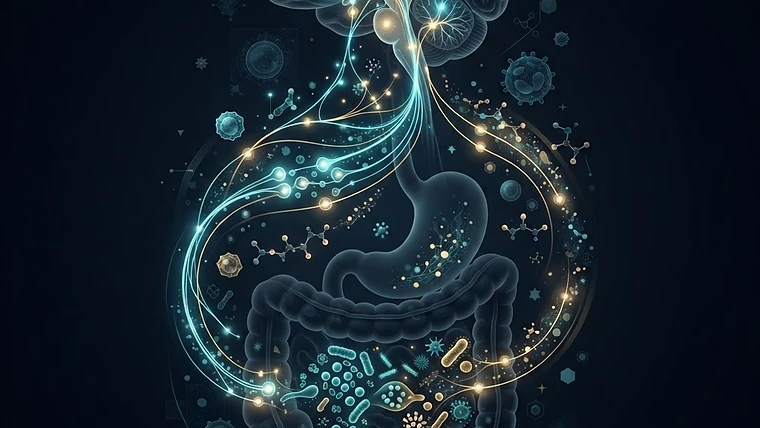
The gut-brain axis is a bidirectional communication network linking the enteric nervous system in our gut with the central nervous system. Research suggests that this axis is not just about digestion; it is a primary regulator of mood, cognition, and systemic inflammation. When this axis is disrupted—often through gut dysbiosis or chronic, low-grade inflammation—the downstream effects can manifest as psychiatric symptoms, including depression and anxiety.
Emerging studies indicate that parasitic organisms, including both protozoa and helminths, can influence this axis. By altering the composition of the gut microbiota and interfering with the production of key neurometabolites like serotonin and short-chain fatty acids (SCFAs), these organisms may indirectly shape neural circuitry and behavioral outcomes.
Inflammation and Metabolic Syndrome
Chronic, low-grade inflammation is a hallmark of metabolic syndrome, a cluster of conditions that includes obesity, insulin resistance, and type 2 diabetes. In a healthy state, the immune system maintains metabolic homeostasis within adipose tissue. However, during metabolic dysfunction, this balance shifts toward a pro-inflammatory state, characterized by the infiltration of inflammatory macrophages.
Interestingly, some research suggests an inverse relationship between certain parasitic infections and metabolic disease. Some helminths are known to manipulate the host immune response toward a TH2 phenotype, which may help regulate obesity-driven inflammation. While this does not suggest that infection is a solution, it highlights the profound capacity of these organisms to modulate the immune system, providing researchers with clues about how to potentially address the inflammatory roots of metabolic syndrome.
Neuroinflammation and Mental Health
Could the roots of cognitive fog or mood disorders lie in the gut? The concept of "neuroinflammation" suggests that systemic immune activation can cross the blood-brain barrier, leading to changes in brain function. When the gut barrier is compromised—a state sometimes referred to as "leaky gut"—immune signals and microbial metabolites can trigger a cascade of neuroinflammatory responses.
Recent reviews have proposed that parasitic immune modulation might play a role in this process. By initiating immune cascades that affect neurotransmitter metabolism, parasites may contribute to observable changes in behavior. This has led some scientists to hypothesize that certain neurodevelopmental or psychiatric conditions could be viewed through a "neurointestinal" lens, where the health of the gut environment is central to cognitive stability.
Glucose Dysregulation as a Catalyst
Metabolic instability, particularly glucose dysregulation, is another major driver of systemic inflammation. Fluctuations in blood sugar, such as postprandial spikes and reactive hypoglycemia, have been linked to increased inflammatory cytokines and autonomic dysfunction. This metabolic stress can exacerbate the very conditions that lead to anxiety and depression, creating a feedback loop that is difficult to break.
As we continue to map these pathways, it becomes clear that the body is a highly integrated system. The presence of parasites, the state of our microbiome, and our metabolic health are not isolated variables; they are deeply interconnected components of our overall physiological resilience.
A Deeper Look at the Connection
While the science is still evolving, the evidence points toward a future where we treat the body as a whole, rather than a collection of isolated symptoms. For those interested in exploring these complex relationships further, the work of James Young, RN, in The Parasite-Disease Connection provides a comprehensive resource for understanding how these hidden factors may influence long-term health and systemic balance.
As research continues to uncover the mechanisms behind these interactions, we move closer to a more precise understanding of how to support the body’s natural ability to maintain homeostasis in an increasingly complex environment.
Frequently asked questions
How do parasites influence the gut-brain axis?
Research suggests parasites can alter gut microbiota composition and microbial metabolites, which in turn influence immune signaling and neurotransmitter production, potentially affecting mood and cognition.
Is there a link between inflammation and metabolic syndrome?
Yes, chronic low-grade inflammation is a key driver of metabolic syndrome, often involving immune dysregulation within adipose tissue that contributes to insulin resistance.
Can gut health affect mental health conditions like anxiety?
Emerging science indicates that the gut-brain axis plays a significant role in mental health, where gut dysbiosis and systemic inflammation may contribute to symptoms of anxiety and depression.
What is the role of glucose dysregulation in inflammation?
Glucose dysregulation, including glycemic variability, can trigger systemic inflammation, oxidative stress, and immune dysregulation, which may exacerbate neuropsychiatric symptoms.