The Hidden Link: Parasites, Inflammation, and Your Health
Explore the emerging science connecting parasitic activity, chronic inflammation, and the gut-brain axis to metabolic and mental health conditions.
Evidence context
This article is an educational research review. Associations do not prove causation, and medical decisions should be made with qualified healthcare professionals using the underlying cited evidence.
Topic overview
Cancer and parasites research overviewThe Hidden Link: Parasites, Inflammation, and Your Health
For decades, the conversation around human health has focused heavily on diet, genetics, and lifestyle. Yet, a growing body of research is turning its attention to an often-overlooked factor: the complex, bidirectional relationship between parasitic organisms, the immune system, and the systemic inflammation that underpins many modern health challenges.
From metabolic syndrome and diabetes to the persistent fog of anxiety and depression, emerging science suggests that our internal biological landscape is far more interconnected than previously understood. By examining the gut-brain axis and the role of chronic immune dysregulation, we can begin to appreciate how parasitic interactions might influence our metabolic and mental well-being.
The Gut-Brain Axis and Immune Signaling
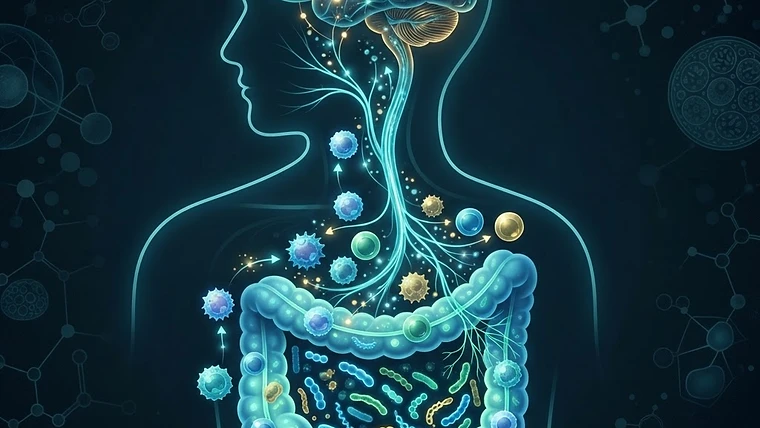
The gut-brain axis is a sophisticated, bidirectional communication network. It links the enteric nervous system in our gut with the central nervous system (CNS) via neural, endocrine, and immune pathways. Recent studies indicate that parasitic infections can act as significant modulators of this system.
Research published in Nature (2026) highlights how intestinal parasites can trigger specific epithelial cell crosstalk, activating a tuft cell-to-serotonin-to-vagus nerve pathway. This mechanism helps explain how gut-level inflammation can influence systemic responses, including appetite regulation and mood-related signaling. When the gut environment is perturbed, the resulting inflammatory signals do not stay confined to the digestive tract; they travel along the vagus nerve, potentially impacting brain function and behavior.
Neuroinflammation: The Bridge to Mental Health
Once considered an "immune-privileged" site, the brain is now recognized as highly susceptible to systemic inflammation. Parasitic infections—whether through direct neurotropism or indirect systemic immune activation—can contribute to neuroinflammation.
When the body is in a state of chronic immune activation, it produces pro-inflammatory cytokines. These molecules can cross the blood-brain barrier, disrupting neural homeostasis. This process is increasingly linked to cognitive fog, mood disorders, and the physiological underpinnings of anxiety and depression. By destabilizing the delicate balance of neurotransmitters and glial cell activity, chronic inflammation may serve as a critical link between peripheral infections and neurological symptoms.
Metabolic Health and the Parasite Connection
Beyond the brain, the metabolic impact of parasitic presence is a subject of intense investigation. Metabolic syndrome and insulin resistance are often characterized by low-grade, chronic inflammation. Some research suggests that intestinal parasites can alter the composition of the gut microbiota and the production of microbial metabolites, such as short-chain fatty acids, which are essential for metabolic regulation.
Studies have explored the prevalence of intestinal parasites in patients with metabolic conditions, including diabetes. While the relationship is complex, the evidence suggests that parasitic organisms can contribute to gastrointestinal complications and metabolic disturbances. By influencing how the host processes nutrients and manages immune responses, these organisms may play a role in the broader landscape of metabolic non-communicable diseases.
The Paradox of Immune Regulation
Interestingly, the relationship between parasites and the immune system is not purely antagonistic. Some helminths have co-evolved with human hosts to induce immune tolerance, often by promoting the expansion of regulatory T cells (Tregs). This has led researchers to investigate whether components derived from parasites could eventually offer therapeutic insights for autoimmune and inflammatory conditions.
However, in the context of chronic, unmanaged infection, this same immunomodulatory capacity can be exploited by the body's own pathological processes, such as cancer cells, to evade immune surveillance. This "cancer in disguise" hypothesis suggests that the mechanisms parasites use to persist—such as suppressing conventional T-cell activity—are similar to those used by tumors to sustain growth.
A Deeper Look at the Connection
Understanding these mechanisms requires a shift in perspective—viewing the body as a dynamic ecosystem rather than a collection of isolated parts. As we continue to map the interactions between the microbiome, the immune system, and environmental factors, the role of parasites becomes increasingly relevant to our understanding of chronic health issues.
For those interested in exploring these concepts further, James Young, RN, provides a comprehensive examination of these dynamics in his book, The Parasite-Disease Connection. It serves as a valuable resource for those looking to deepen their understanding of how these hidden biological factors may influence long-term health and systemic wellness.
Conclusion
The intersection of parasites, inflammation, and metabolic and mental health is a frontier of modern science. While we are only beginning to understand the full scope of these interactions, the evidence is clear: the gut-brain axis and the immune system are central to our overall health. By maintaining a curious and evidence-based approach, we can better navigate the complexities of our internal biology and support our journey toward long-term vitality.
Frequently Asked Questions
How do parasites influence mental health?
Research suggests that parasites can trigger systemic inflammation, which may lead to neuroinflammation. This process can disrupt neurotransmitter balance and neural homeostasis, potentially contributing to symptoms like cognitive fog, anxiety, and depression.
Is there a link between parasites and diabetes?
Some studies indicate that intestinal parasites can cause metabolic disturbances and gastrointestinal issues that may play a role in the development or progression of metabolic conditions, including diabetes, by altering gut microbiota and inflammatory markers.
What is the gut-brain axis?
It is a bidirectional communication network linking the gut and the brain. Parasites can influence this axis by triggering immune responses in the gut that send signals to the brain via the vagus nerve, impacting mood and appetite.
Can parasites cause chronic inflammation?
Yes, many parasitic infections trigger a persistent immune response. This chronic activation leads to the release of pro-inflammatory cytokines, which can affect various systems in the body, including the metabolic and nervous systems.
Frequently asked questions
How do parasites influence mental health?
Research suggests that parasites can trigger systemic inflammation, which may lead to neuroinflammation. This process can disrupt neurotransmitter balance and neural homeostasis, potentially contributing to symptoms like cognitive fog, anxiety, and depression.
Is there a link between parasites and diabetes?
Some studies indicate that intestinal parasites can cause metabolic disturbances and gastrointestinal issues that may play a role in the development or progression of metabolic conditions, including diabetes, by altering gut microbiota and inflammatory markers.
What is the gut-brain axis?
It is a bidirectional communication network linking the gut and the brain. Parasites can influence this axis by triggering immune responses in the gut that send signals to the brain via the vagus nerve, impacting mood and appetite.
Can parasites cause chronic inflammation?
Yes, many parasitic infections trigger a persistent immune response. This chronic activation leads to the release of pro-inflammatory cytokines, which can affect various systems in the body, including the metabolic and nervous systems.