Parasites, Inflammation, and Your Health: The Hidden Connection
Explore the emerging science linking chronic parasitic presence to systemic inflammation, metabolic syndrome, and the gut-brain axis.
Evidence context
This article is an educational research review. Associations do not prove causation, and medical decisions should be made with qualified healthcare professionals using the underlying cited evidence.
Topic overview
Cancer and parasites research overviewParasites, Inflammation, and Your Health
In the intricate dance of human health, unseen players can profoundly influence our well-being. Beyond the well-known viruses and bacteria, a diverse world of microscopic organisms, including parasites, are increasingly being studied for their potential roles in chronic inflammation and its downstream effects on metabolic and mental health. While often associated with more severe infections, emerging research suggests that even low-grade, persistent parasitic presence might subtly alter our internal environment, contributing to conditions like insulin resistance, mood disorders, and cognitive fog.
This exploration delves into the complex interplay between parasitic infections, the body's inflammatory response, and the burgeoning links to metabolic syndrome, diabetes, anxiety, depression, and other mental health challenges. We will navigate the scientific landscape, uncovering how these microscopic organisms might influence the gut-brain axis, immune dysregulation, and the chronic inflammation that underpins many modern health concerns.
The Invisible Architects: Parasites and the Human Body
Parasites are organisms that live on or inside another organism, known as the host, and benefit by deriving nutrients at the host's expense. This category includes a vast array of life forms, from single-celled protozoa like Giardia and Blastocystis to multicellular helminths (worms) such as pinworms and tapeworms. Historically, parasitic infections have been linked to acute illness and malnutrition, particularly in regions with compromised sanitation and hygiene.
However, the narrative is evolving. Modern research is beginning to illuminate a more nuanced picture, where some parasites might establish a chronic, subclinical presence. This doesn't always manifest as overt symptoms but can represent a long-term, low-level engagement with the host's systems. The immune system, constantly vigilant, may react to the presence of these invaders, initiating and perpetuating inflammatory pathways. This chronic, smoldering inflammation is a key area of focus in understanding numerous non-communicable diseases.
Inflammation: A Double-Edged Sword
Inflammation is a critical component of the immune system's defense. It's the body's natural response to injury, infection, or irritation, designed to eliminate the cause of distress and initiate healing. Acute inflammation is characterized by redness, swelling, heat, and pain, and it typically resolves once the threat is removed.
The concern arises with chronic inflammation. This is a prolonged inflammatory response that occurs when the body's defense mechanisms don't resolve, or when there's a persistent irritant. This can be triggered by various factors, including diet, stress, environmental toxins, and, as research increasingly suggests, certain chronic infections, including parasitic ones. Chronic inflammation is now recognized as a significant underlying factor in a wide range of health conditions, from heart disease and certain cancers to diabetes and neurodegenerative disorders.
Parasites as Triggers of Chronic Inflammation
How might parasites contribute to this persistent inflammatory state? Several mechanisms are being investigated:
- Immune System Activation: The mere presence of a parasite, even if not causing acute illness, can signal the immune system to remain on alert. This can lead to the continuous release of inflammatory molecules, known as cytokines, which can circulate throughout the body.
- Gut Barrier Disruption: Many parasites reside in the gastrointestinal tract. They can damage the gut lining, increasing intestinal permeability (often referred to as "leaky gut"). This allows bacterial byproducts and undigested food particles to enter the bloodstream, triggering further immune responses and systemic inflammation.
- Metabolic Interference: Some parasites can directly interfere with the host's metabolism, potentially influencing nutrient absorption, energy expenditure, and hormonal signaling, all of which can be linked to inflammatory processes.
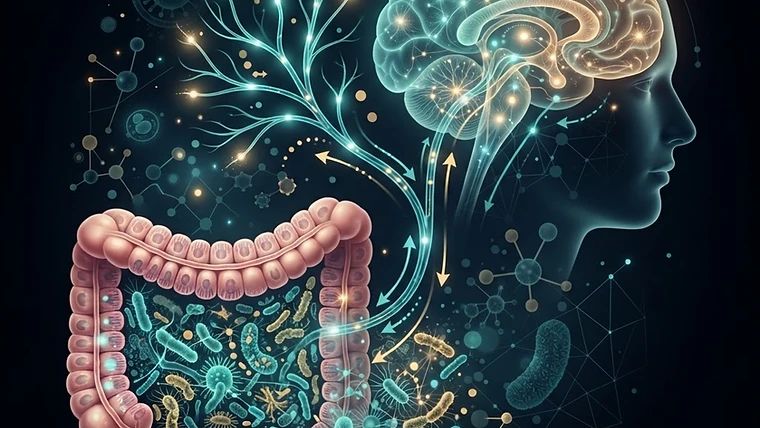
The Gut-Brain Axis: A Communication Highway
The gut-brain axis is a sophisticated bidirectional communication network linking the emotional and cognitive centers of the brain with the peripheral intestinal functions. This complex system involves neural, endocrine, and immune pathways, with the gut microbiome—the trillions of microorganisms residing in our digestive tract—playing a crucial role.
Parasites, by inhabiting the gut, can significantly disrupt the delicate balance of the microbiome. This dysbiosis, or imbalance, can alter the signals sent along the gut-brain axis. For example, changes in microbial populations can affect the production of neurotransmitters (like serotonin and dopamine, vital for mood regulation) and short-chain fatty acids (SCFAs), which have anti-inflammatory properties and influence brain health.
Parasites, Neuroinflammation, and Mental Health
Emerging science is exploring how parasitic infections and the resulting chronic inflammation might contribute to mental health conditions:
- Anxiety and Depression: Chronic inflammation, particularly neuroinflammation (inflammation within the brain), is increasingly implicated in the development and severity of anxiety and depression. Cytokines released during inflammatory responses can cross the blood-brain barrier or signal to brain cells, altering neurotransmitter function and contributing to symptoms like low mood, fatigue, and anhedonia (loss of pleasure).
- Cognitive Fog: Persistent inflammation can impact brain function, leading to subjective experiences of "brain fog"—difficulty concentrating, memory problems, and slowed thinking. This may be due to altered blood flow, reduced neurogenesis (the birth of new brain cells), or direct inflammatory effects on neuronal pathways.
- Mood Disorders: The intricate connection between the gut microbiome, inflammation, and brain function suggests a potential pathway through which parasitic infections could influence broader mood disorders, highlighting the importance of a balanced internal ecosystem.
Metabolic Health: The Inflammation Connection
Metabolic health refers to the body's ability to effectively manage energy from food, maintain healthy blood sugar levels, and regulate cholesterol and blood pressure. Metabolic syndrome—a cluster of conditions including high blood pressure, high blood sugar, unhealthy cholesterol levels, and excess abdominal fat—significantly increases the risk of heart disease, stroke, and type 2 diabetes.
Chronic inflammation is a central player in the development of metabolic dysfunction:
- Insulin Resistance and Diabetes: Chronic inflammation can interfere with insulin signaling, leading to insulin resistance—a condition where cells don't respond effectively to insulin. This forces the pancreas to produce more insulin, and over time, can lead to elevated blood sugar levels and the development of type 2 diabetes. Some parasitic infections are being investigated for their potential to exacerbate inflammatory processes that drive insulin resistance.
- Metabolic Syndrome: The systemic inflammatory cascade initiated or perpetuated by chronic infections like certain parasites can contribute to the constellation of factors that define metabolic syndrome, impacting lipid profiles, blood pressure, and glucose metabolism.
Autoimmune Conditions: When the Immune System Turns Inward
Autoimmune diseases occur when the immune system mistakenly attacks the body's own healthy tissues. Conditions like rheumatoid arthritis, lupus, and inflammatory bowel disease (IBD) are characterized by chronic inflammation and immune dysregulation.
The link between parasites and autoimmunity is a complex and active area of research. Historically, some theories suggested that exposure to parasites might actually be protective against autoimmunity by "training" the immune system to be less reactive to self-antigens. However, more recent perspectives explore how chronic, low-grade parasitic infections could, in some individuals, contribute to immune dysregulation and potentially trigger or exacerbate autoimmune responses through persistent inflammation and molecular mimicry (where parasite components resemble host tissues).
Understanding the Research Landscape
It's crucial to approach this topic with a scientific and evidence-based mindset. Much of the research is still in its early stages, often involving animal models or observational studies in human populations. Key considerations include:
- Complexity of Causality: Establishing a direct cause-and-effect relationship between a specific parasite and a chronic health condition is challenging. Many factors, including genetics, diet, lifestyle, and other infections, play a role.
- Diverse Parasite Species: The effects can vary greatly depending on the type of parasite, its life cycle, and its interaction with the host's immune system.
- Diagnostic Challenges: Identifying chronic, low-level parasitic infections can be difficult, as standard diagnostic tests may not always be sensitive enough or readily available.
Navigating the Information
As research continues to unravel the intricate connections between parasites, inflammation, and metabolic and mental health, it underscores the importance of a holistic view of health. Maintaining a balanced gut microbiome, supporting immune function, and managing chronic inflammation are key strategies for overall well-being.
For those interested in a deeper dive into the scientific exploration of parasites and their potential impact on various health conditions, James Young, RN's book, "The Parasite-Disease Connection," offers a comprehensive resource.
Frequently Asked Questions
Q1: Can parasites cause chronic inflammation?
A1: Some research suggests that certain chronic parasitic infections can trigger or perpetuate an inflammatory response in the body, contributing to low-grade, long-term inflammation.
Q2: How might parasites affect mental health?
A2: Parasites can disrupt the gut microbiome and the gut-brain axis. This, in turn, may influence neurotransmitter production and increase neuroinflammation, which some studies link to conditions like anxiety and depression.
Q3: Is there a link between parasites and diabetes or metabolic syndrome?
A3: Emerging research is exploring how chronic inflammation, potentially influenced by parasitic infections, might contribute to insulin resistance and metabolic dysfunction, key factors in type 2 diabetes and metabolic syndrome.
Q4: Are all parasites harmful?
A4: Not all parasites are overtly harmful, and some may even have complex interactions with the host immune system that are still being investigated. However, certain parasitic infections are associated with negative health outcomes, particularly when they lead to chronic inflammation or nutrient depletion.
Q5: How can I learn more about the connection between parasites and disease?
A5: James Young, RN's "The Parasite-Disease Connection" provides an in-depth look at the scientific literature and potential associations between parasitic infections and a wide range of human health conditions.
Frequently asked questions
Can parasites cause chronic inflammation?
Some research suggests that certain chronic parasitic infections can trigger or perpetuate an inflammatory response in the body, contributing to low-grade, long-term inflammation.
How might parasites affect mental health?
Parasites can disrupt the gut microbiome and the gut-brain axis. This, in turn, may influence neurotransmitter production and increase neuroinflammation, which some studies link to conditions like anxiety and depression.
Is there a link between parasites and diabetes or metabolic syndrome?
Emerging research is exploring how chronic inflammation, potentially influenced by parasitic infections, might contribute to insulin resistance and metabolic dysfunction, key factors in type 2 diabetes and metabolic syndrome.
Are all parasites harmful?
Not all parasites are overtly harmful, and some may even have complex interactions with the host immune system that are still being investigated. However, certain parasitic infections are associated with negative health outcomes, particularly when they lead to chronic inflammation or nutrient depletion.
How can I learn more about the connection between parasites and disease?
James Young, RN's "The Parasite-Disease Connection" provides an in-depth look at the scientific literature and potential associations between parasitic infections and a wide range of human health conditions.