Parasites, Inflammation, and the Hidden Gut-Brain Connection
Explore the emerging science linking parasitic activity, chronic inflammation, and the gut-brain axis to metabolic and mental health conditions.
Evidence context
This article is an educational research review. Associations do not prove causation, and medical decisions should be made with qualified healthcare professionals using the underlying cited evidence.
Topic overview
Cancer and parasites research overviewThe Invisible Influence: Parasites and Systemic Health
For decades, the scientific community has viewed parasites primarily through the lens of acute infection. However, a burgeoning field of research is shifting this perspective, suggesting that these organisms may play a far more complex role in human physiology. Emerging science explores how parasitic presence—and the immune response it triggers—might influence the delicate balance of our metabolic and mental health.
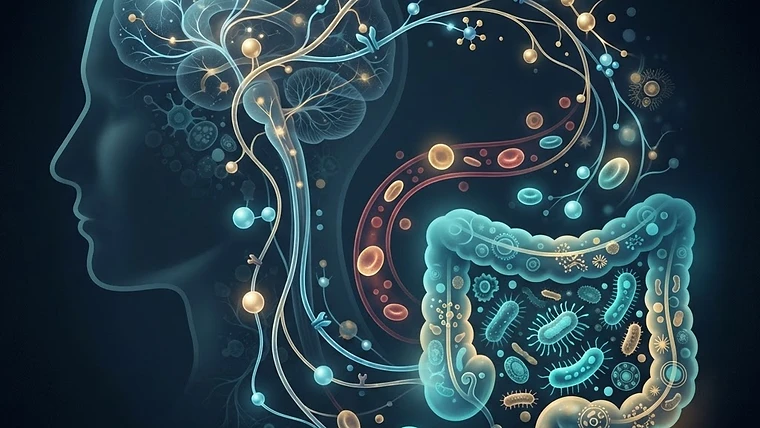
At the heart of this exploration is the concept of the gut-brain axis. This bidirectional communication network links the gastrointestinal tract to the central nervous system, and researchers are increasingly investigating how chronic, low-grade immune activation caused by various factors, including parasitic exposure, might ripple through this system to affect everything from insulin sensitivity to mood regulation.
The Gut-Brain Axis and Neuroinflammation
Recent studies highlight that the gut-brain axis is not merely a digestive pathway; it is a neuroendocrine and immune highway. When the gut environment is altered—whether by dysbiosis or the presence of foreign organisms—the body often responds with systemic inflammation. This state of chronic immune activation can lead to the release of pro-inflammatory cytokines, which are signaling proteins that can cross the blood-brain barrier.
Once these signals reach the brain, they may contribute to neuroinflammation. Research suggests that this process is linked to a variety of behavioral and cognitive changes, including symptoms of anxiety, depression, and what many describe as "cognitive fog." By modulating the gut environment, parasites may indirectly influence neurotransmitter metabolism, potentially altering the chemical landscape that governs our mood and mental clarity.
Metabolic Health: A Double-Edged Sword
Perhaps one of the most intriguing areas of current research is the relationship between parasites and metabolic conditions like diabetes. The scientific literature presents a fascinating, albeit complex, picture. Some studies indicate that certain helminths (parasitic worms) may actually help modulate the host’s immune response, potentially reducing chronic inflammation and improving insulin sensitivity in specific contexts.
Conversely, other research suggests that different types of parasites, particularly certain protozoa, may drive pro-inflammatory pathways that exacerbate metabolic stress. This divergence often depends on the specific parasite species, the host's genetic background, and the duration of the infection. The key takeaway from this emerging science is that the immune system’s response to these organisms is highly nuanced, and the impact on metabolic health is rarely uniform.
Understanding Immune Dysregulation
Chronic inflammation is a common denominator in many modern health challenges, including autoimmune conditions and metabolic syndrome. When the immune system remains in a state of constant vigilance, it can lead to "immunometabolic dysregulation." In this state, the body’s ability to manage blood glucose and maintain hormonal balance is compromised.
Researchers are now looking at how the presence of parasites might act as a persistent stimulus for the immune system. While the body attempts to manage these organisms, the resulting inflammatory cascade can inadvertently damage insulin-producing cells or interfere with the signaling pathways that regulate appetite and energy expenditure. This is why the study of parasites is becoming increasingly relevant to those interested in the root causes of metabolic dysfunction.
Navigating the Complexity of Modern Research
It is important to approach this topic with scientific rigor. The relationship between parasites and human health is not a simple cause-and-effect scenario. It is a web of interactions involving the microbiome, the host's immune history, and environmental factors. As we continue to map these connections, it becomes clear that our understanding of "health" must expand to include the microscopic organisms that share our biological space.
For those seeking a deeper dive into these complex interactions, the book The Parasite-Disease Connection by James Young, RN, offers a comprehensive look at how these hidden factors may influence long-term wellness. It serves as a valuable resource for those looking to understand the broader implications of the parasite-disease landscape without relying on oversimplified explanations.
Conclusion
The intersection of parasitology, immunology, and metabolic health is a frontier of modern medicine. While we are far from having all the answers, the current research provides a compelling framework for understanding how our internal environment shapes our external health. By continuing to explore these mechanisms, we move closer to a more integrated view of human physiology—one that respects the profound influence of the unseen world within us.
Frequently asked questions
Can parasites cause anxiety and depression?
Research suggests that chronic immune activation and neuroinflammation, which can be triggered by various factors including parasitic presence, may influence neurotransmitter pathways linked to mood disorders like anxiety and depression.
Is there a link between parasites and diabetes?
Emerging studies indicate a complex relationship; some research suggests certain helminths may improve insulin sensitivity by reducing systemic inflammation, while other parasitic infections may worsen metabolic health depending on the species and host context.
What is the gut-brain axis?
The gut-brain axis is a bidirectional communication network that connects the gastrointestinal tract to the central nervous system, allowing the gut microbiome and immune system to influence brain function and behavior.
How does chronic inflammation affect metabolic health?
Chronic inflammation can lead to immunometabolic dysregulation, which may interfere with insulin signaling and glucose metabolism, potentially contributing to the development of metabolic syndrome and insulin resistance.