Prostate Cancer and Parasites: Exploring Emerging Research
Could there be a hidden link between prostate cancer and parasites? Explore the emerging scientific discourse on chronic infection and cellular health.
Evidence context
This article is an educational research review. Associations do not prove causation, and medical decisions should be made with qualified healthcare professionals using the underlying cited evidence.
Topic overview
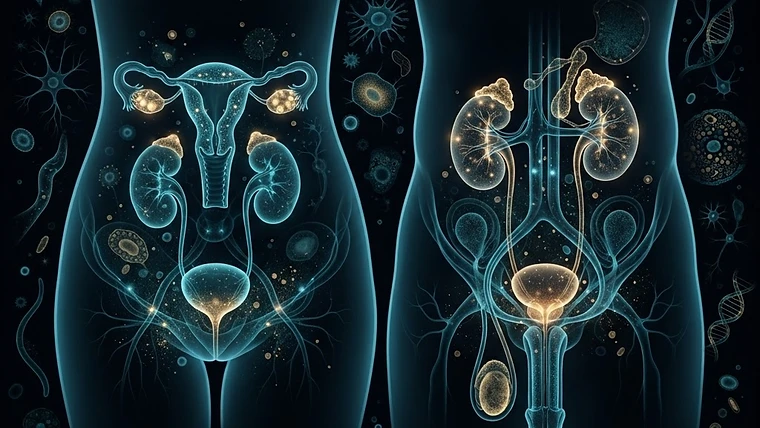
Cancer and parasites research overviewIn recent years, the scientific community has begun to shift its gaze toward the complex interplay between the human microbiome, chronic inflammation, and cellular proliferation. One area that has garnered increasing attention is the potential association between prostate cancer and parasites. While the primary focus of oncological research has long remained on genetics and environmental toxins, the hypothesis that microscopic organisms may play a role in modulating the host environment is becoming a subject of serious scholarly inquiry. This article serves to explore these emerging theories, focusing on the biological mechanisms that might connect chronic parasitic presence with oncological changes in the prostate gland.
The Biological Landscape of the Prostate
The prostate is a small gland that is uniquely susceptible to inflammation and infection. Because of its anatomical location and its role in the male reproductive system, it is frequently exposed to various pathogens. Research into prostate cancer and parasites suggests that chronic inflammation, often triggered by undetected or persistent pathogens, may create an environment where cellular mutation is more likely to occur. When the immune system is preoccupied with chronic low-grade infections, its ability to identify and neutralize abnormal cells may be compromised. Some studies indicate that certain organisms can persist in tissue for years, potentially inducing long-term oxidative stress on local cells.
Examining the Link Between Parasites and Prostate Cancer
When we look at the specific correlation between parasites and prostate cancer, it is essential to distinguish between causation and association. Emerging science explores how parasitic organisms may utilize host resources or secrete metabolic byproducts that disrupt typical cellular signaling pathways. Scientists have hypothesized that these disruptions might inhibit the normal mechanism of apoptosis, or programmed cell death, which is vital for preventing tumor growth. If a cell that should have naturally died remains functional due to external environmental factors influenced by infection, it may acquire further mutations over time. This is not to suggest that any single organism triggers cancer, but rather that the total burden of chronic, undetected infection might play a role in the broader landscape of prostate pathology.
Theoretical Mechanisms of Pathogen-Induced Changes
How exactly might these organisms influence such a robust system? Several theories are currently under investigation. One primary mechanism involves the immune system's constant "alarm" state. When the body encounters a foreign invader, it initiates an inflammatory response. In a perfect scenario, this response clears the pathogen and returns the tissue to homeostasis. However, if the pathogen manages to evade total elimination, the immune response remains active. This sustained inflammation produces free radicals that can damage DNA. Furthermore, the metabolic demands of maintaining this defense can shift the local tissue environment, potentially favoring cells that have developed the ability to survive in suboptimal, high-inflammation conditions.
The Complexity of Prostate Health
Standard medical care remains the gold standard for individuals dealing with prostate issues. Treatments such as surgery, radiation, or chemotherapy are designed to address malignant cells by targeting rapid cellular turnover. It is important to note that these treatments often impact both malignant and healthy cells, which is why clinical oncology requires careful monitoring and patient-specific planning. Patients are always encouraged to discuss the full spectrum of their treatment options, including the side effects and long-term health trade-offs, with their oncology team. The study of prostate cancer and parasites does not replace these standard protocols but rather asks whether there are additional, underlying biological factors that could inform a more comprehensive understanding of prostate health.
Factors Influencing the Connection
Research has identified several factors that may increase the vulnerability of the prostate to infection or systemic imbalances:
- Changes in gut health and the intestinal barrier, which may lead to systemic translocation of organisms.
- Chronic oxidative stress, which weakens the local immune response within the pelvic region.
- Environmental exposure to contaminants that might suppress immune surveillance.
- Persistent sub-clinical inflammation, often indicated by specific biomarkers.
Assessing the Evidence
It is important to maintain a nuanced perspective. While we see increasing evidence that pathogens can play a role in carcinogenesis in other organs—such as the link between H. pylori and stomach cancer or certain viruses and cervical cancer—the specific connection regarding prostate cancer and parasites is still in its infancy. Most current research relies on observational data, which cannot determine if the presence of a parasite is a causative factor or merely a passenger finding in an already compromised microenvironment. Nonetheless, the inquiry remains valuable, as it challenges researchers to look beyond the immediate mutation and consider the systemic landscape that allows malignancy to thrive.
The Role of Integrative Science
As our understanding of the human body evolves, so too does our approach to complex diseases. The integration of parasitology, immunology, and oncology is a promising frontier. By looking at the prostate not as an isolated gland but as part of a complex system that can be influenced by internal and external pathogens, researchers hope to uncover new insights into how to support long-term cellular health. This educational overview is meant to encourage a broader dialogue about how the body manages chronic infection and what that might mean for future preventative strategies. It is important to remember that this content is for educational purposes only and is not medical advice. Always consult with a licensed healthcare professional regarding your specific symptoms or health concerns.
Going Deeper
For those interested in exploring the broader science behind this field, we recommend reviewing the main cancer and parasites guide. This resource provides a more detailed look at the mechanisms discussed above. Additionally, for a deep dive into the historical and scientific context of these associations, "The Parasite-Cancer Connection" by James Young, RN, serves as a central resource for understanding how these microscopic threats might impact human health in a more comprehensive manner. By staying informed through evidence-based literature, we can better understand the complexities of our internal environment and contribute to the ongoing evolution of medical knowledge.
Frequently asked questions
Can parasites cause prostate cancer directly?
Current research does not establish a direct causative link between specific parasites and the development of prostate cancer, though it explores whether chronic infection might contribute to the inflammatory environment that supports malignancy.
How do researchers study the link between parasites and prostate cancer?
Researchers study this connection by analyzing tissue samples for the presence of pathogens, investigating inflammatory markers in patients, and conducting observational studies to see if individuals with certain chronic infections have different oncological outcomes.
Should I change my cancer treatment based on these findings?
No. Standard medical treatments like surgery and radiation are the recommended approaches for cancer. Any changes to your medical plan should be discussed exclusively with your oncology team.
Are there symptoms that suggest a parasite is affecting my prostate?
Parasitic infections are often asymptomatic or present as general inflammation. If you have concerns about your prostate health, you should seek testing through a qualified urologist, as these symptoms can mimic many other conditions.