Skin Cancer and Parasites: Exploring Emerging Research
Could there be an underlying link between skin cancer and parasites? We explore the complex biological interactions emerging in current scientific literature.
Evidence context
This article is an educational research review. Associations do not prove causation, and medical decisions should be made with qualified healthcare professionals using the underlying cited evidence.
Topic overview
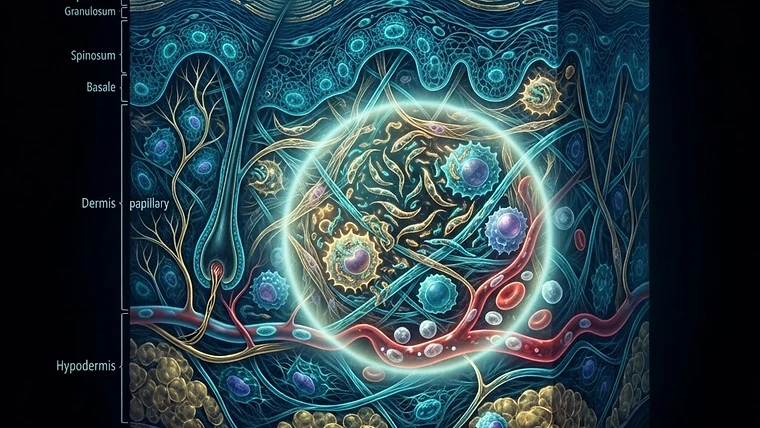
Cancer and parasites research overviewThe intersection of microbiology and oncology has long been a subject of fascination for researchers. While the established paradigms of cancer biology focus heavily on genetics and environmental factors, an emerging field of inquiry is examining the role of infectious agents. Specifically, the relationship between skin cancer and parasites has become a topic of niche but growing interest in academic circles. By investigating how various organisms interact with the human integumentary system, researchers hope to better understand the complex microenvironment in which abnormal cells develop. This article explores the current state of knowledge regarding skin cancer and parasites, maintaining a strictly educational perspective on how these biological phenomena might intersect. Please note that this content is for educational purposes only and is not medical advice. Always consult with your oncology team regarding your healthcare decisions. Modern medicine utilizes tools like surgery, chemotherapy, and radiation to address malignancy. It is important to remember that these treatments are designed to target rapidly dividing cells, which can affect both healthy and diseased tissue. Patients are encouraged to have open discussions with their medical providers about the benefits and limitations of standard treatment protocols. Understanding the biology of skin cancer and parasites requires a look at the skin as a dynamic ecosystem. The human skin is not merely a barrier; it is a complex landscape inhabited by a vast array of microorganisms, including bacteria, fungi, and occasionally, parasitic organisms. When studying the connection between skin cancer and parasites, researchers often look at chronic inflammation as a key mediator. Chronic inflammation is a well-documented hallmark of many cancer types, as it can induce cellular stress, damage DNA, and create a microenvironment that supports tumor progression. Some studies indicate that the presence of certain pathogens may trigger localized immune responses that persist for long durations. This persistent state of irritation might, in theory, contribute to the structural instability of surrounding skin cells. While these observations are intriguing, it is crucial to emphasize that associations between pathogens and disease states do not prove causation. The development of cancer is a multifactorial process involving genetic predisposition, environmental exposures like UV radiation, and immune system function. When scientists investigate parasites and skin cancer, they are often looking for "biological signatures" left behind by these organisms. Some researchers hypothesize that certain parasites might produce metabolites or proteins that interact with human cell signaling pathways. If these pathways regulate cell growth or apoptosis—the programmed death of damaged cells—any disruption could theoretically lead to uncontrolled cell proliferation. However, these are early-stage findings in laboratory settings. Translating such findings to human clinical scenarios is difficult due to the sheer diversity of skin cancers, such as basal cell carcinoma, squamous cell carcinoma, and melanoma, each of which has distinct biological drivers. The role of the immune system is also a critical component in this discourse. The immune system is tasked with identifying and eliminating both abnormal cells and foreign invaders. When a host is dealing with a parasitic infection, the immune system may become preoccupied or modulated in ways that affect its ability to conduct cancer surveillance. Some research suggests that the immune response to parasites and skin cancer could overlap in complex ways, potentially creating a scenario where the body’s defenses are diverted or suppressed. This does not mean that a parasite causes cancer, but rather that the presence of a parasite might alter the terrain in which a malignancy could emerge. To clarify the current landscape of this study, consider the following points commonly discussed in academic literature: * Chronic Inflammation: Persistent irritation caused by external organisms can stimulate the release of inflammatory cytokines. * Cellular Signaling Interference: Some parasitic metabolic byproducts may interact with signaling pathways that govern cell division. * Immune Modulation: Infections can shift the immune system's focus, potentially impacting its ability to detect cellular anomalies. * The Microbiome Factor: The skin microbiome is vast; studying how it shifts in the presence of parasitic activity is a developing field. * Diagnostic Challenges: Identifying the presence of rare microscopic organisms in biopsy samples is technically demanding and not a routine part of standard dermatological practice. Because of these challenges, much of the research remains in the preclinical phase. It is essential to recognize that modern oncology relies on established diagnostic markers and therapeutic protocols. While curiosity about skin cancer and parasites drives new avenues of discovery, it should not replace the evidence-based care provided by dermatologists and oncologists. Standard procedures such as surgical excision and immunotherapy are currently the primary tools for addressing skin cancer. These treatments have undergone rigorous testing to ensure safety and efficacy. Patients currently undergoing treatment should continue their prescribed care plans, as these represent the best available options for managing malignancy. For those interested in the broader scope of how pathogens might relate to chronic disease, it is helpful to approach the subject with a balanced view. The field of oncology is evolving, and while the link between parasites and skin cancer remains an area of active study rather than established medical fact, the exploration itself provides valuable insight into the complexity of the human body. As we learn more, we gain a deeper appreciation for the intricate balance between our immune system, our environment, and our cellular health. Science moves incrementally, and while the idea of a parasite-cancer connection is compelling, it is only through high-quality, large-scale human clinical trials that any concrete conclusions could eventually be drawn. Until then, readers should view such information as a window into the ongoing scientific quest to understand the mechanisms of disease. Going deeper: For those who wish to explore these topics further, the main cancer and parasites guide offers a comprehensive look at current research trends. Additionally, the book "The Parasite-Cancer Connection" by James Young, RN, serves as a significant resource for individuals looking to understand the history and current research surrounding the potential biological links between these two complex domains.
Frequently asked questions
Does scientific consensus exist regarding skin cancer and parasites?
Currently, there is no scientific consensus that parasites directly cause skin cancer. While some research studies explore potential biological associations and the role of inflammation, these findings are preliminary and do not establish causation.
Should I be worried about parasites and skin cancer if I have a suspicious mole?
If you notice changes to your skin, you should prioritize a visit to a board-certified dermatologist. Standard medical diagnostics are the only way to evaluate suspicious lesions, and you should not attempt to attribute skin changes to parasites without professional clinical testing.
Can treating parasites help in the management of skin cancer?
There is no evidence that treating parasites acts as a therapy for skin cancer. Patients should follow the standard of care recommended by their oncology team, including surgery, radiation, or chemotherapy, which are established methods for managing malignant cell growth.
How do researchers study the link between skin cancer and parasites?
Researchers study this through laboratory models, looking at how chronic inflammation and host immune system modulation in the presence of pathogens might influence cellular behavior. These are largely investigative efforts to understand complex disease mechanisms.