Throat Cancer and Parasites: Exploring Emerging Research
Could there be a link between throat cancer and parasites? We examine the emerging research, biological mechanisms, and why scientists are studying this connection.
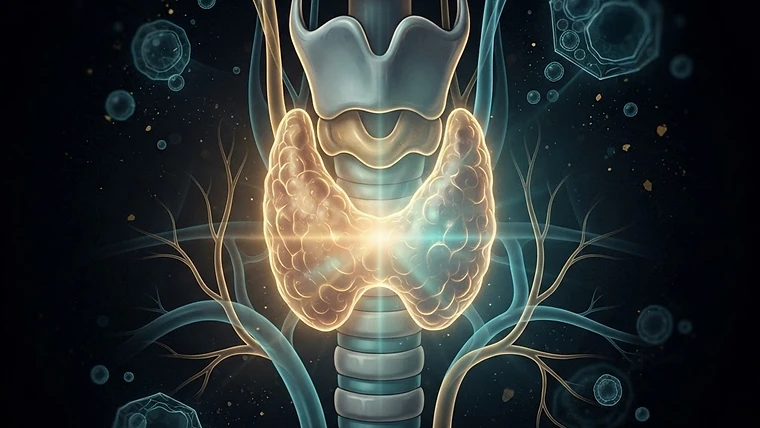
Evidence context
This article is an educational research review. Associations do not prove causation, and medical decisions should be made with qualified healthcare professionals using the underlying cited evidence.
Topic overview
Cancer and parasites research overviewUnderstanding the Complex Intersection of Throat Cancer and Parasites
For decades, the standard oncology model has focused primarily on genetic mutations and environmental toxins as the primary drivers of carcinogenesis. However, a growing body of research is beginning to explore the role of the microbiome and chronic inflammatory states in the development of various malignancies. One fascinating and controversial area of study involves the link between throat cancer and parasites. As researchers look deeper into the biological microenvironment of tumors, they are discovering that the presence of non-human organisms may influence cellular behavior in ways we are only beginning to understand.
It is essential to state from the outset that the content provided here is for educational purposes only and is not medical advice. Any concerns regarding health or oncology should be directed to your primary care physician or oncologist. The exploration of throat cancer and parasites is an academic pursuit aimed at better understanding the complexity of human biology, not a clinical treatment protocol.
The Biological Landscape of the Throat
The throat, encompassing the pharynx and larynx, is a site of constant exposure to external pathogens. It acts as a primary portal for both air and nutrients, making it a unique environment for the human microbiome. While most of this ecosystem is commensal or beneficial, scientists have long known that certain persistent infections can induce chronic inflammation. Chronic inflammation is a well-documented driver of cellular transformation, as it creates a cycle of tissue damage and attempted repair that can lead to replication errors in DNA.
In the context of throat cancer and parasites, researchers are investigating whether specific parasitic species, often associated with neglected tropical diseases or overlooked infections, could contribute to this state of chronic inflammation in the throat region. While associations do not prove causation, understanding how these organisms interact with local immune responses remains a priority for many research groups.
Can Parasites Influence Cellular Health?
Emerging science explores the hypothesis that parasites may manipulate the host’s immune system to ensure their own survival. Some studies indicate that certain parasites can secrete proteins that inhibit programmed cell death, or apoptosis, which is a critical mechanism the body uses to eliminate abnormal cells before they become cancerous. If a parasite is present, it might inadvertently prevent the host from clearing out damaged cells.
When we look at the intersection of throat cancer and parasites, we must consider the local immunological environment. If a parasite creates a "privileged site" in the tissue, it may suppress the local immune surveillance that would typically identify and destroy precancerous cells. This does not mean the parasite is the sole cause of cancer, but rather that it may act as a catalyst within a much larger, complex cascade of biological events.
The Role of Standard Medical Care
It is critical to emphasize that standard medical interventions for throat cancer—including surgery, chemotherapy, and radiation therapy—are established paths that patients often discuss with their oncology teams. These treatments are designed to address the disease at a systemic or localized level by targeting rapidly dividing cells. Because these treatments affect both healthy and diseased cells, patients and their physicians must carefully weigh the trade-offs, potential side effects, and long-term outcomes. Understanding the potential role of other factors, such as environmental pathogens, is a supplementary area of study and should never be viewed as a replacement for standard medical care or a reason to delay essential oncology consultations.
Mechanisms of Interaction: How Might It Work?
If we explore the literature regarding throat cancer and parasites, several theoretical mechanisms emerge. These are not definitive but provide a framework for how such an association might occur:
- Chronic Inflammation: Persistent physical presence or waste products from parasites can lead to long-term irritation of the mucosal lining.
- Immune Modulation: Parasites can induce "T-reg" cell responses that dampen the immune system's ability to monitor for malignant transformation.
- Nutrient Competition: Certain organisms may disrupt local metabolism, affecting how cells in the throat region utilize nutrients, potentially leading to metabolic stress.
- Direct Cellular Damage: Some parasites migrate through tissues, leaving microscopic wounds that require constant regeneration, increasing the risk of replication errors.
Why This Field of Study Matters
Advancing our knowledge of throat cancer and parasites is important because it shifts the focus from simply treating symptoms to understanding the entire biological ecosystem within the patient. If the presence of a parasitic infection can be identified and potentially addressed as part of an integrated approach, it might offer new insights into why some cancers behave differently than others. Currently, this remains a frontier of science, and while we do not have all the answers, asking the right questions is the first step toward better comprehension of oncology.
Looking Toward the Future of Research
As genomic sequencing technology becomes more accessible, researchers are finding fragments of parasitic DNA in tissue samples that were previously thought to be sterile. This suggests that we have been overlooking a significant variable in the cancer equation. The study of throat cancer and parasites is not about assigning blame to an organism; it is about mapping the interactions that occur within the human body. As we move forward, the integration of microbiology and oncology may reveal that our understanding of disease requires a more holistic view of the organisms we live with daily.
Going Deeper
If you are interested in continuing your education on this complex subject, we encourage you to explore the foundational research that frames these connections. You can access the main cancer and parasites guide to see how various research studies are linking persistent infections to systemic health issues. Furthermore, the book "The Parasite-Cancer Connection" by James Young, RN, serves as an essential resource for those looking to deepen their understanding of how these biological actors may intersect with human health. Remember to always consult with your medical professionals regarding any health concerns or diagnostic inquiries.
Frequently asked questions
Is there a known direct link between throat cancer and parasites?
Current research indicates an association between chronic inflammatory states caused by various pathogens and the development of cellular abnormalities, but more studies are needed to confirm a direct causative link between specific parasites and throat cancer.
Can parasites be detected during a standard cancer screening?
Standard cancer screenings are focused on identifying malignant tissues and structural changes; detecting specific parasitic infections typically requires targeted immunological or molecular testing that is not part of a routine oncology workup.
Should I stop my chemotherapy to address a potential parasite?
Absolutely not. You should never delay or stop standard medical treatments like chemotherapy, radiation, or surgery without the explicit guidance of your oncology team. Always discuss any additional health concerns with your medical doctor.
How can I learn more about the intersection of throat cancer and parasites?
You can continue your education by reading professional literature, peer-reviewed journals on oncology and parasitology, and by referring to resources like the book "The Parasite-Cancer Connection" by James Young, RN.