Uterine Cancer and Parasites: Exploring Scientific Associations
A deep dive into the emerging academic interest surrounding the potential link between uterine cancer and parasites, examining chronic inflammation and biological interactions.
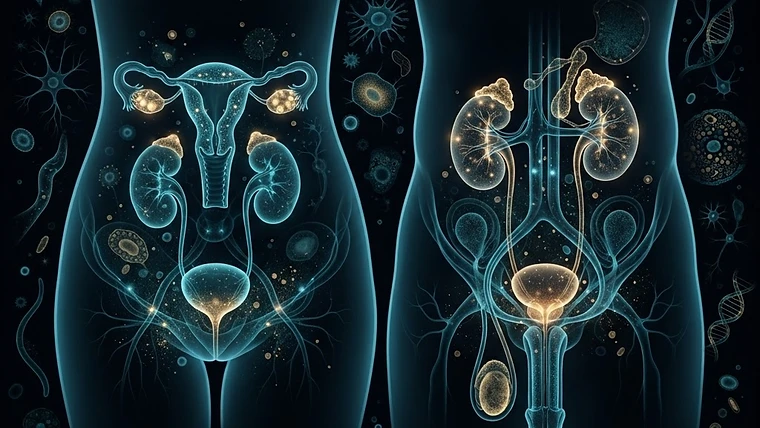
Evidence context
This article is an educational research review. Associations do not prove causation, and medical decisions should be made with qualified healthcare professionals using the underlying cited evidence.
Topic overview
Cancer and parasites research overviewMedical research is an evolving landscape, and as our understanding of human biology deepens, scientists are frequently looking at the intersection of various biological entities and chronic disease. One area that has garnered attention in specialized literature is the potential relationship between uterine cancer and parasites. While the medical community has long understood that certain viral and bacterial infections can influence cell behavior, the role of parasitic organisms is a more nuanced and complex field of study that invites further exploration. This article serves as an educational resource to frame how researchers are currently investigating these connections. It is important to note that this content is for educational purposes only and is not medical advice. Always consult with your primary oncology team regarding any health concerns, as standard medical treatments like chemotherapy, radiation, and surgical intervention remain the pillars of current oncological practice, despite their impact on both healthy and diseased tissues.
The Landscape of Oncology Research
To understand the discussion surrounding uterine cancer and parasites, one must first appreciate how modern medicine categorizes cancer development. Generally, oncogenesis—the process by which normal cells turn into cancer cells—is viewed as a multifaceted progression involving genetic mutations, environmental exposures, and immune system status. In recent years, there has been a significant push to identify 'silent' factors that might contribute to chronic inflammation. Inflammation is a known catalyst in cell signaling errors, and some researchers argue that chronic exposure to foreign biological agents, such as parasites, could theoretically play a role in this microenvironment.
Chronic Inflammation: A Common Link
Chronic inflammation is often cited in literature as a precursor to cellular instability. When the body encounters a pathogen, the immune system launches an inflammatory response. If that pathogen remains in the body, the inflammation becomes persistent. In the context of uterine cancer and parasites, scientists are asking whether a low-grade, persistent parasitic presence could create a chronic inflammatory environment within the reproductive tract. While this theory is still subject to debate, the logic follows that persistent stress on local tissues may lead to cellular repair errors, which are the fundamental drivers of tumor growth.
Examining the Biological Interaction
It is essential to clarify that identifying a correlation between uterine cancer and parasites does not imply immediate causation. The human body is a vast ecosystem, and identifying the presence of a parasite does not automatically equate to disease progression. However, researchers are utilizing advanced genomic sequencing to look for DNA signatures of non-human organisms in tissue samples. Some studies indicate that the micro-environment within the uterus can be altered by external biological agents. If these agents alter the local pH, metabolic rates, or immune surveillance markers, the result could be a change in how healthy uterine cells interact with their environment.
Traditional Treatments and the Need for Dialogue
When navigating a diagnosis of uterine cancer, patients often face a standardized pathway that includes surgery, radiation, and chemotherapy. It is vital to recognize that these conventional interventions are designed to target rapidly dividing cells. Because these treatments do not distinguish perfectly between malignant cells and healthy host tissues, they can present significant physical challenges. Patients should engage in open, detailed conversations with their oncologists about the risks and benefits of these procedures. Integrative approaches, which consider the entirety of the patient's biological state, should be discussed as a way to support the body during standard care, never as a replacement for established protocols.
Potential Mechanisms of Concern
Why might there be a connection between uterine cancer and parasites? Several theoretical mechanisms are currently under investigation:
- Altered Immune Surveillance: Parasites may release immunosuppressive factors that allow them to persist in the host, potentially interfering with the body's ability to identify and neutralize early-stage malignant cells.
- Metabolic Competition: Certain parasites compete for essential nutrients, which could alter the metabolic profile of the uterine lining, forcing cells into stress-response states.
- Tissue Damage and Repair: Persistent mechanical or chemical irritation from parasitic movement or metabolites may necessitate constant cellular regeneration, increasing the frequency of replication-related errors.
- Genetic Influence: Some researchers speculate that horizontal gene transfer or the activation of latent viral elements by parasitic infection could influence the expression of oncogenes.
The Importance of Holistic Perspective
While the specific nexus of uterine cancer and parasites is a niche topic, it highlights the importance of viewing the patient as a whole. Modern science is moving away from the 'germ theory' in isolation and toward a model of 'ecological medicine,' where the interaction between the host, their microbiome, and potential foreign invaders is scrutinized. Understanding this ecological balance does not negate the effectiveness of modern medicine, but rather provides a more complete map of the terrain we are navigating when we face chronic illnesses.
Moving Forward with Caution and Curiosity
As we continue to observe the development of this field, it is crucial to maintain a critical eye. Scientific research is a slow, methodical process. Associations found in a petri dish or a retrospective study do not always translate to human clinical outcomes. Patients should remain vigilant and prioritize evidence-based medical care provided by licensed professionals. By fostering a deeper understanding of the internal environment, we can better support our health and make informed decisions about our medical care. Never abandon standard medical protocols based on emerging theories; rather, keep those theories in mind as points of inquiry to discuss with your medical team.
Going Deeper
If you are interested in exploring the broader context of how foreign organisms may impact cellular health, you can visit the main cancer and parasites guide for a comprehensive overview of the current literature. Additionally, the book "The Parasite-Cancer Connection" by James Young, RN, serves as a foundational resource for readers who wish to dive deeper into the historical and scientific discourse surrounding these complex biological interactions. By reviewing these materials, you can gain a broader perspective on the ongoing research into the interconnected nature of human biology and environmental pathogens.
Frequently asked questions
Can parasites directly cause uterine cancer?
Current scientific literature does not prove a direct causal link between parasites and uterine cancer. Researchers are studying how chronic inflammation and immune system interference might play a role in oncogenesis, but this remains an area of ongoing scientific inquiry rather than a proven medical fact.
Should I be tested for parasites if I have been diagnosed with uterine cancer?
You should discuss all diagnostic concerns with your oncologist. While some research explores the presence of foreign organisms in the body, standard oncology protocols prioritize addressing the cancer cells through proven treatments like surgery, radiation, and chemotherapy.
Are there treatments that target both uterine cancer and parasites?
There is no medically recognized treatment that is designed to treat both concurrently. Standard cancer treatments are highly specialized; if you are considering alternative approaches to manage inflammation or immune health, it is essential to consult your oncology team to ensure there are no negative interactions with your primary treatment plan.
Is inflammation from parasites a common risk factor?
Chronic inflammation is recognized in general medicine as a risk factor for cellular damage, but the specific contribution of parasitic-driven inflammation to uterine cancer is still a subject of emerging research and requires much more clinical data before it can be classified as a primary risk factor.